Skip to content
Explore a topic

Islamic history and civilization

Explore Islamic history and civilization through the Ayaat journal. Read, reflect and discover ideas to carry into your everyday life.

Islam and Charity

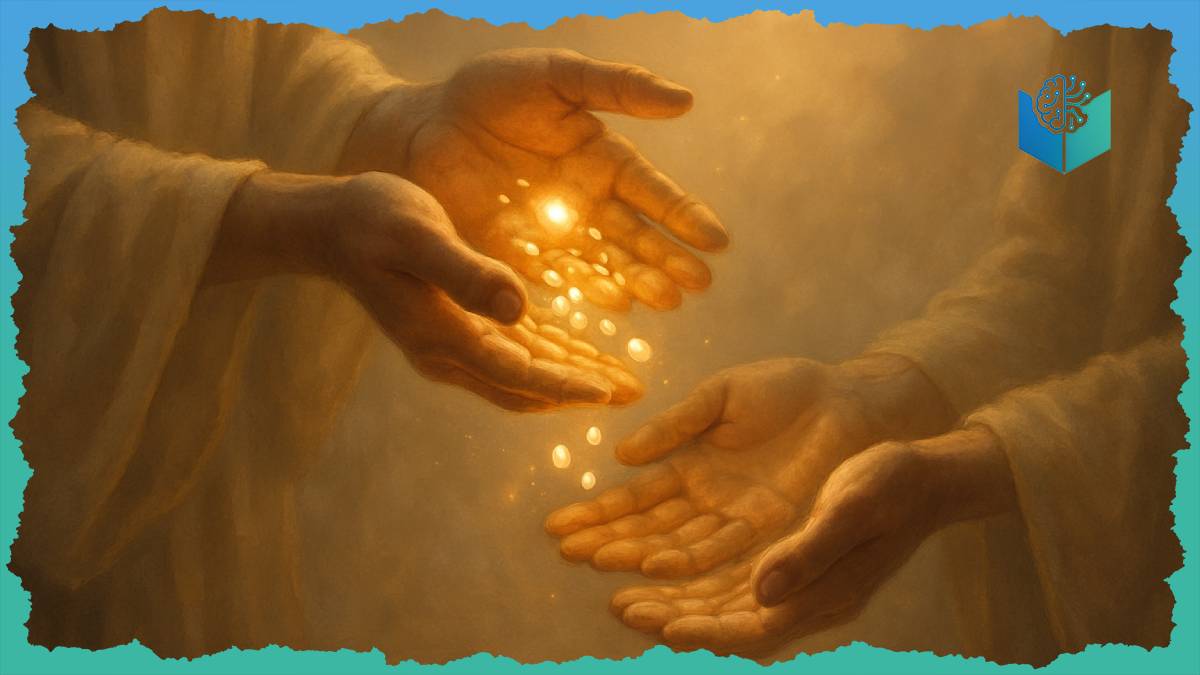
Charity is a cornerstone of Islamic ethics, extending far beyond formal obligations. In Islam, giving is not only an act of worship but also a means of fostering compassion, social justice, and human solidarity. While many are familiar with Zakat, the mandatory almsgiving, and Sadaqah, voluntary charity, the concept of charity in Islam encompasses a …
Read story

The Role of the Masjid

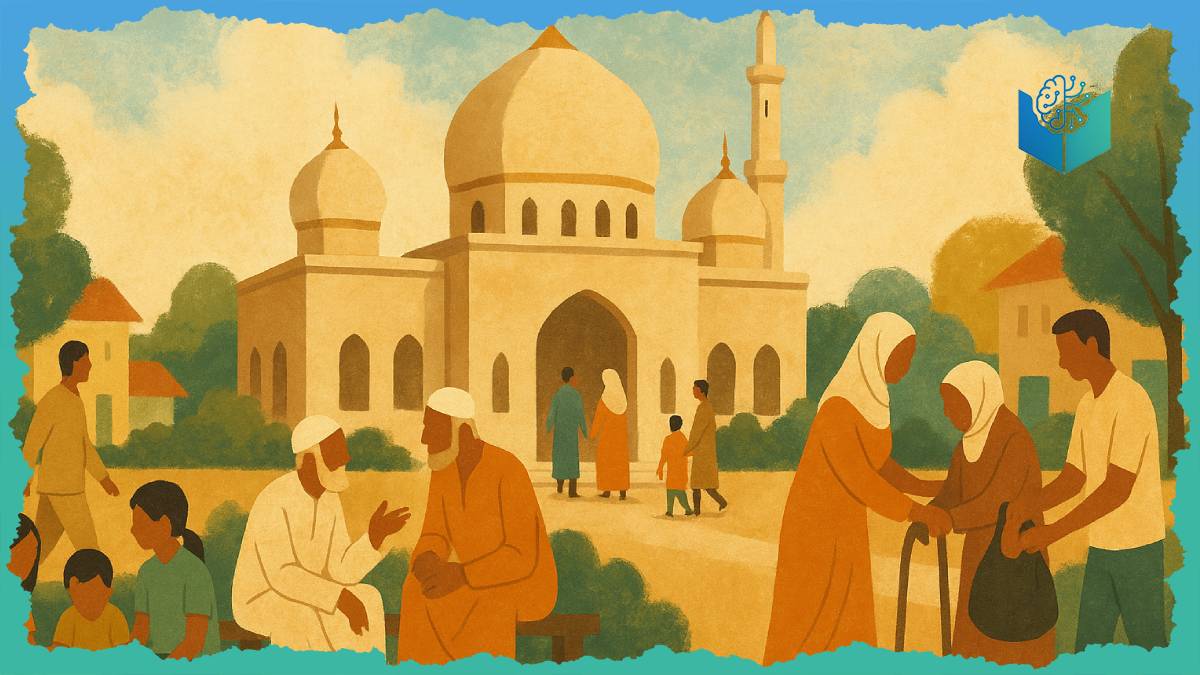
The mosque in Islam is often seen as a sacred space where believers gather for prayer. Yet, within the Quranic worldview, the masjid carries a much deeper and more dynamic meaning. It is not merely a structure of walls and domes; it is the living heart of a community, a center of learning, justice, and …

Read story

The Battle of Badr

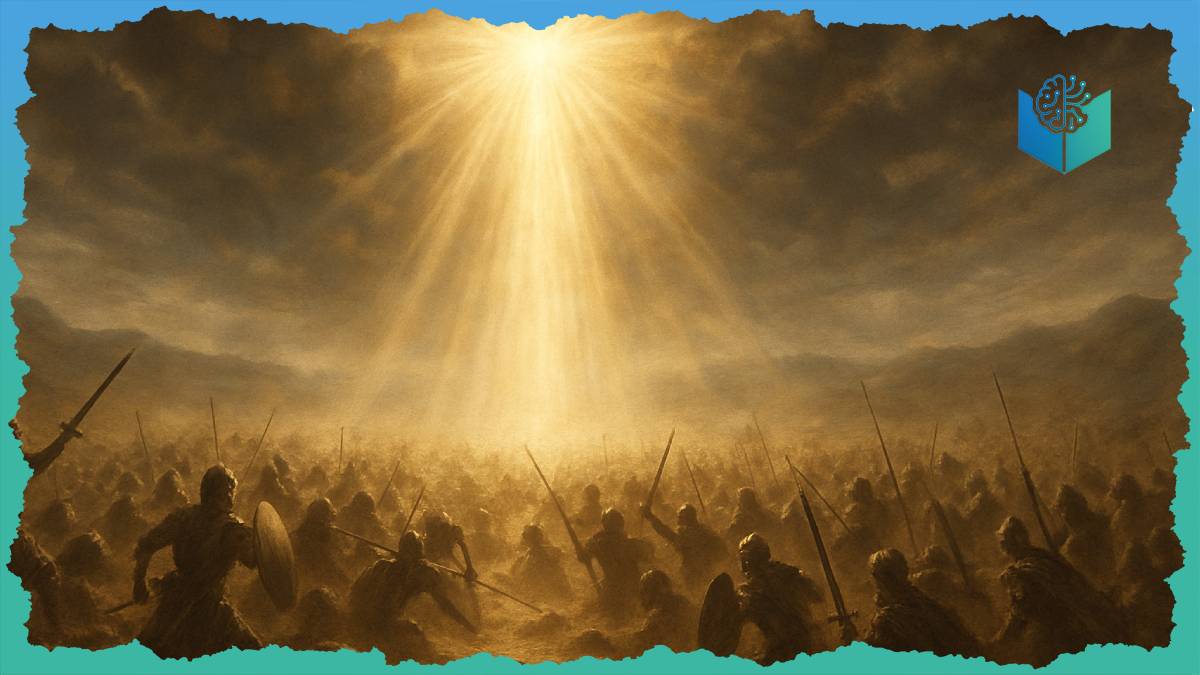
The Battle of Badr stands as one of the most defining events in Islamic history. It was not merely a confrontation between two armies but a spiritual and moral trial that shaped the future of the Muslim community. This event, often remembered as the first battle in Islam, represents the victory of truth over falsehood …

Read story

Islamic Golden Age

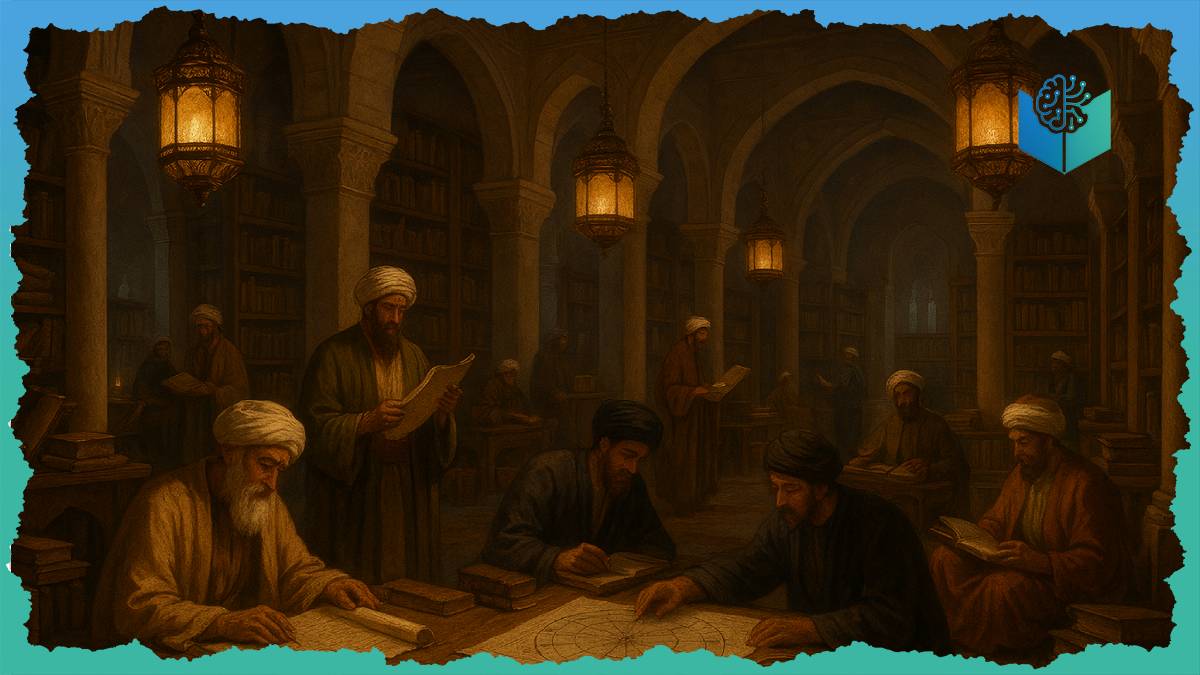
The Islamic Golden Age stands as one of the most remarkable eras in human history, a time when knowledge, art, and science flourished under the light of faith. From the 8th to the 14th century, Muslim scholars, guided by the teachings of the Quran, made groundbreaking contributions that shaped modern civilization. This was not merely …

Read story

Dua in Islam

Among Islam’s most beautiful and intimate acts of worship is Dua, the direct supplication and conversation between a believer and Allah. It is not confined by language, time, or place. Dua opens the heart, heals the soul, and strengthens faith. The Quran reminds believers of this closeness: “And when My servants ask you concerning Me, …

Read story

The Concept of Predestination (Qadr) in Islam

Among the core beliefs that shape a Muslim’s understanding of life is Qadr in Islam, or divine predestination. The concept of the perfect balance between Allah’s absolute knowledge and human free will is a concept that has fascinated scholars and believers alike for centuries. Understanding predestination in Islam helps Muslims find peace in life’s uncertainties, …

Read story

The Importance of Tawheed

At the heart of Islam lies the principle that defines the faith and shapes the lives of believers: Tawheed in Islam, or the absolute belief in the oneness of Allah. This foundational concept is more than a theological statement; it is the essence of Islamic identity, guiding worship, morality, and worldview. Understanding the meaning and …

Read story

Angels in Islam

Among the unseen creations of Allah, angels hold a special and sacred position in Islam. They are honored servants who never disobey Allah’s commands and execute His will with precision and devotion. The belief in angels in Islam is one of the six pillars of faith, reminding believers that the unseen world is as real …

Read story

Five Pillars of Islam

Islam is not only a religion, it is a complete way of life built on faith, worship, discipline, and compassion. At its heart lies a structure that defines every Muslim’s relationship with Allah and with humanity: the Five Pillars of Islam. These five fundamental duties provide a spiritual foundation and a practical framework that guide …

Read story

How Islam Spread

The spread of Islam is one of the most fascinating chapters in world history, a story often misunderstood, simplified, or even misrepresented. Beyond myths and political narratives lies a deeper truth: Islam expanded through its moral force, spiritual message, and commitment to Quranic justice. This faith, rooted in peace and equity, inspired millions across continents …

Read story

Prayer in Islam

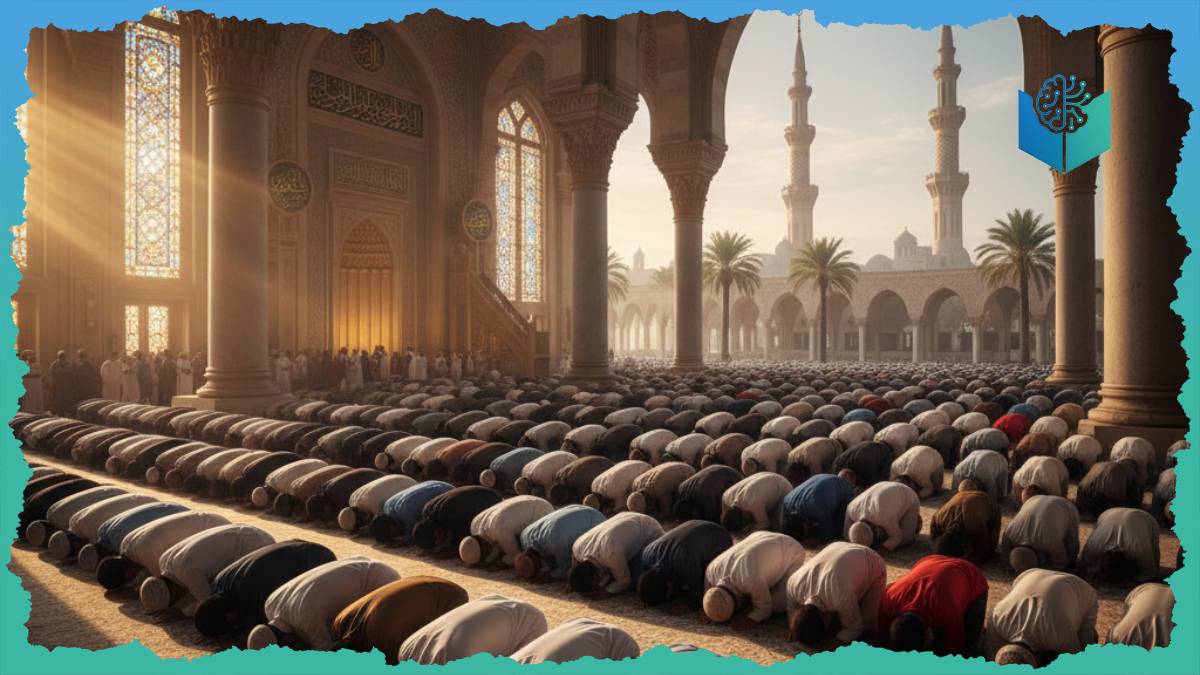
Prayer, known as Salah in Islam, is the second pillar of Islam and the most visible daily practice of a Muslim’s faith. Muslims around the world pause five times a day to connect with Allah, offering gratitude, seeking forgiveness, and reaffirming their devotion. These daily prayers in Islam are not just ritual movements; they are …

Read story

Hijab in Islam

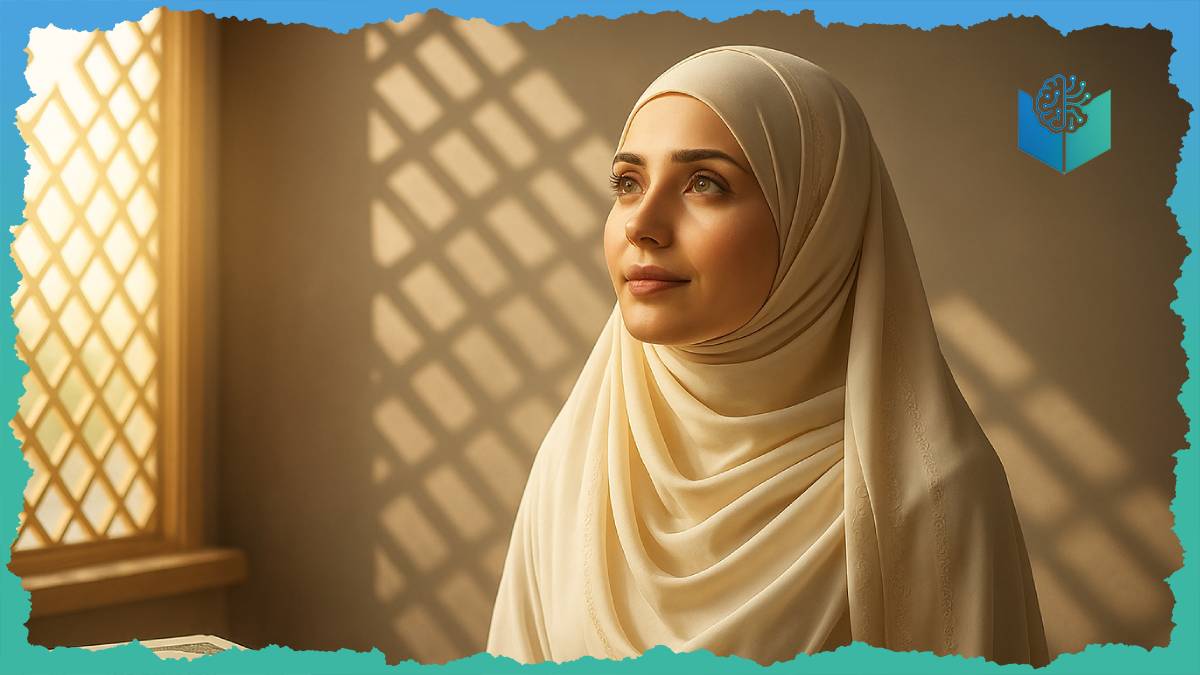
The concept of Hijab in Islam is one of the most discussed and sometimes misunderstood topics in the modern world. To many, the hijab is seen as a simple piece of cloth, but for Muslims, it carries far deeper spiritual, social, and personal meanings. The Quran presents the hijab as a symbol of faith, modesty, …

Read story