
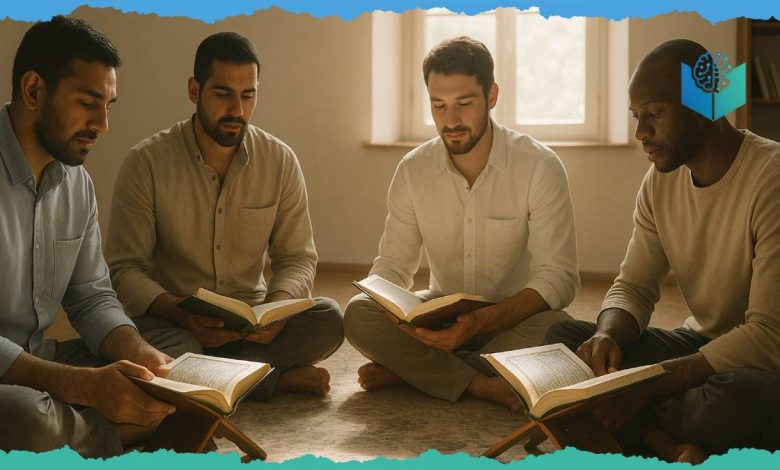
The strength of a believer does not develop in isolation. While personal worship, reflection, and discipline are essential, the surrounding environment plays an equally powerful role in shaping spiritual growth. Throughout the Qur’an, believers are reminded of the value of righteous companionship, mutual support, and communal unity. Today, as Muslims seek meaningful ways to deepen their faith, the role of the Muslim community becomes more important than ever.
This comprehensive guide explores how the collective spirit of the community uplifts individuals, strengthens the heart, and cultivates a spiritually rich society that reflects the teachings of Prophet Muhammad. From building local Islamic community networks to enhancing the mosque role in daily life, every dimension contributes to a stronger, more connected Ummah solidarity in challenges.
Understanding the Spiritual Foundations of Community in Islam
The Qur’an repeatedly emphasizes that believers are not meant to walk alone. A righteous society nourishes the individual soul, while a single heart filled with sincerity contributes to the collective good.
The Qur’an’s Emphasis on Believers Supporting One Another
Allah says in the Qur’an:
“The believing men and believing women are allies of one another. They enjoin what is right and forbid what is wrong.” (9:71)
This verse outlines a foundational principle: believers uplift one another through moral guidance, emotional support, and practical assistance. When Muslims internalize this command, community life becomes a source of faith, renewal, and emotional strength.
A community rooted in Qur’anic values becomes a safe space where individuals share joys, struggles, and aspirations without fear of judgment. In such a setting, hearts remain connected, and personal faith grows stronger.
The Example of the Prophet Muhammad in Building Community
The life of the Prophet Muhammad offers the clearest example of how to form a strong faith-based society. His earliest followers came together not only through belief but through shared compassion, collective support, and a deep sense of purpose.
Creating Brotherhood and Unity
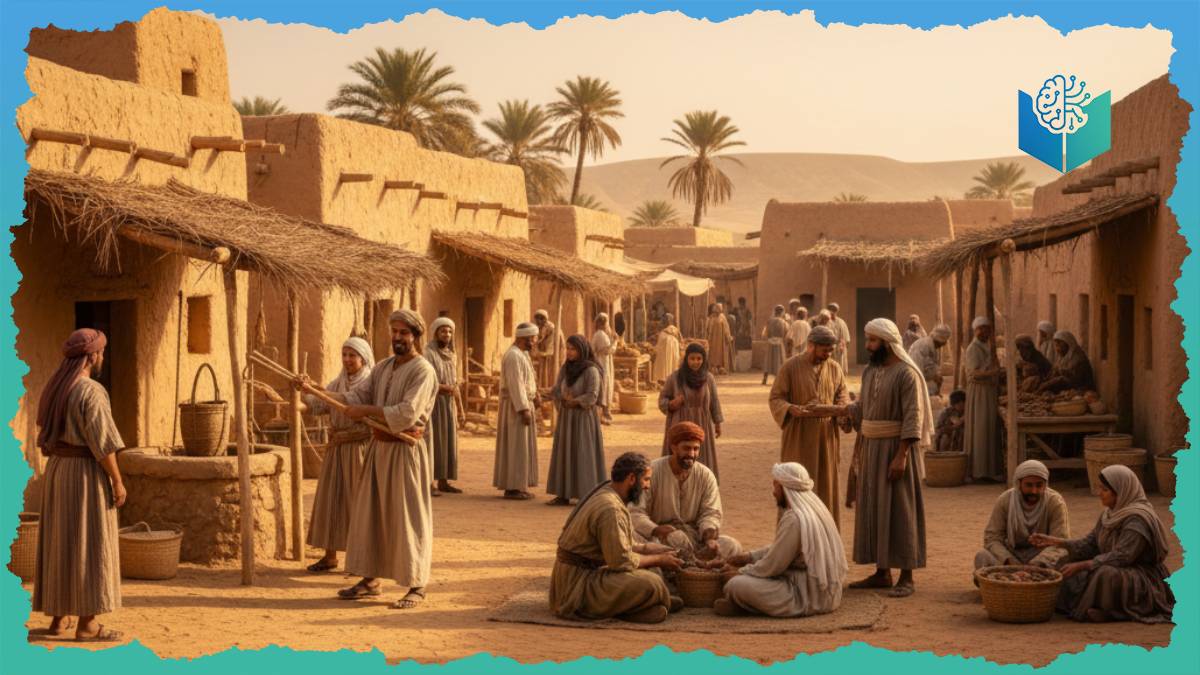
In Madinah, the Prophet united people of diverse backgrounds into a harmonious community that cared for each other with sincerity. This unity became the spiritual backbone that strengthened each individual. Their brotherhood was not symbolic; it was practical, emotional, and rooted in faith.
Encouraging Kindness, Service, and Shared Responsibility
His guidance taught that every Muslim is responsible for the well-being of their brother or sister. This principle forms the foundation of Ummah solidarity in challenges, ensuring that no believer feels spiritually or socially abandoned.
Through simple yet powerful practices, such as kind greetings, shared meals, helping the needy, supporting orphans, the Prophet shaped a society where individual faith thrived because the community was strong.
Building Local Islamic Community: Foundations for Spiritual Growth
Building local Islamic community is not limited to constructing a physical space; it is about nurturing meaningful relationships based on trust, compassion, and shared worship.
Creating Spaces for Learning and Reflection
Local communities can strengthen individual faith by offering study circles, Qur’an sessions, and reflective gatherings. When people come together to learn, their understanding deepens, and they become spiritually stronger.
Promoting Emotional and Mental Support
Life’s challenges become easier to bear when shared within a caring Muslim community. Whether someone is facing grief, financial stress, or personal struggles, support from fellow believers helps them maintain hope and resilience. This collective care reflects the Qur’anic command to be supporters and allies of one another.
Building Healthy Social Bonds
Humans are naturally social, and Islam recognizes this. Healthy friendships formed within a spiritual environment enhance a believer’s connection to Allah. When individuals surround themselves with people who encourage righteousness, their faith becomes more stable. As the Prophet taught, a person’s character reflects the company they keep.
Mosque Role in Daily Life: A Center for Community and Faith
The mosque role in daily life extends far beyond prayer. Historically, the mosque served as the heart of education, leadership, charity, and community engagement. Today, reviving this multifunctional identity can profoundly strengthen individual faith.
A Place for Worship and Connection
Regular attendance at the mosque creates discipline, increases spiritual awareness, and offers a sense of belonging. Meeting other believers, sharing greetings, and praying shoulder-to-shoulder reinforce unity and humility.
Educational and Cultural Programs
Mosques can support families by offering youth programs, Islamic classes, and workshops that inspire confidence and deepen religious understanding. When children and adults connect with the mosque consistently, their identity and faith become more rooted.
Service and Charity as Daily Practice
From distributing food to supporting new Muslims, the mosque can empower believers to live the values of generosity and compassion. These acts remind individuals that faith is both personal and communal.
Ummah Solidarity in Challenges: The Power of Unity
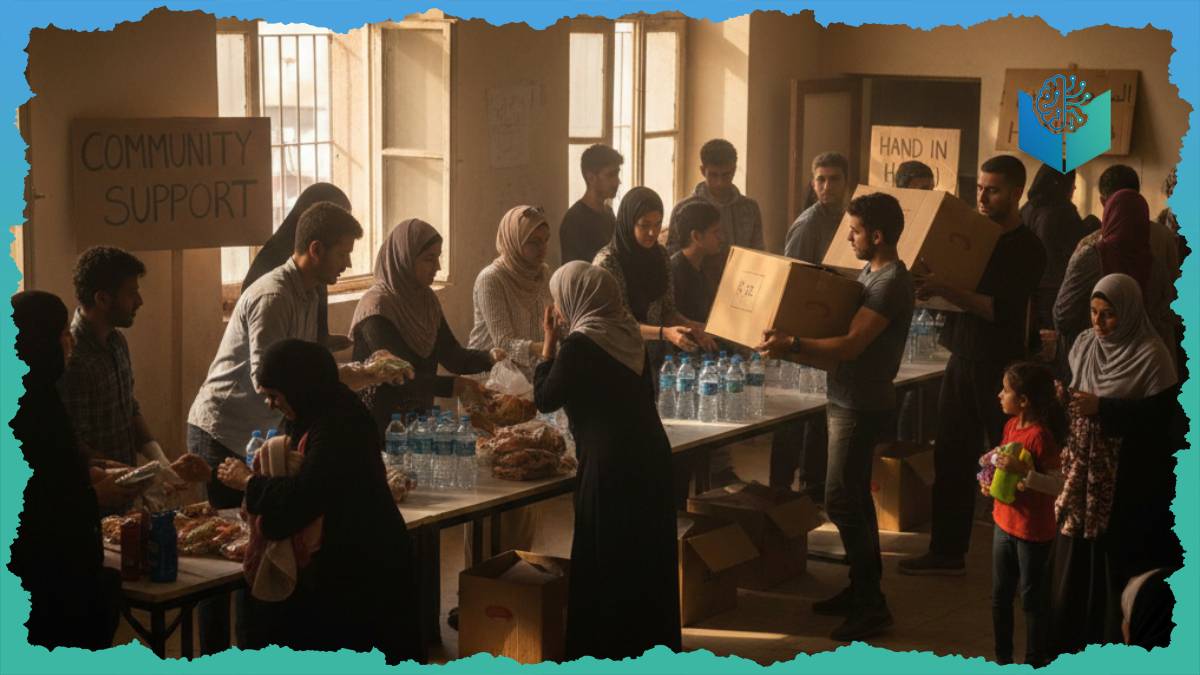
Periods of difficulty, whether illness, financial hardship, or societal pressures, reveal the true value of community. Ummah solidarity in challenges allows individuals to feel loved and supported. It protects mental health, strengthens patience, and inspires hope.
When One Believer Suffers, All Feel It
Islam teaches that the Ummah is like a single body: when one part aches, the rest responds with care and concern. This metaphor beautifully expresses how mutual empathy strengthens individual faith.
Crisis Support and Emotional Relief
In times of crisis, emotional support from the community becomes a spiritual shield. Simple gestures, such as checking on a neighbor, delivering meals, and offering prayer, have a profound impact on a believer’s heart.
Collective Worship During Hardship
Gathering for du’a, Qur’an recitation, or communal prayer strengthens trust in Allah and deepens faith. These shared acts remind individuals that they are not isolated; they are part of something greater, a global community bound by divine guidance.
Social Activities for Muslims: Strengthening Faith Through Togetherness
Faith does not grow only during prayer; it also grows through healthy social interactions grounded in Islamic values. Social activities for Muslims create opportunities for meaningful connection while reinforcing spiritual principles.
Family-Friendly Islamic Events
Family gatherings, halal outings, and cultural celebrations help Muslims enjoy time together in a pure and uplifting environment. These experiences build positive memories that strengthen identity and encourage future generations to love their faith.
Volunteer Work and Community Service
Volunteering instills humility, gratitude, and compassion, qualities that enhance individual spirituality. Whether cleaning a park, feeding the poor, or assisting the elderly, acts of service make faith tangible.
Youth Activities and Support Circles
Young Muslims need spaces where they feel safe, understood, and connected. Youth clubs, mentorship programs, and sports gatherings help them develop confidence and maintain a strong religious identity.
About Islam and the Importance of Community Spirit
Understanding about Islam requires recognizing that faith is holistic: worship, relationships, ethics, and community are interconnected. Islam encourages believers to uplift one another, protect each other’s dignity, and support one another through every season of life.
Faith Grows Stronger Through Shared Experiences
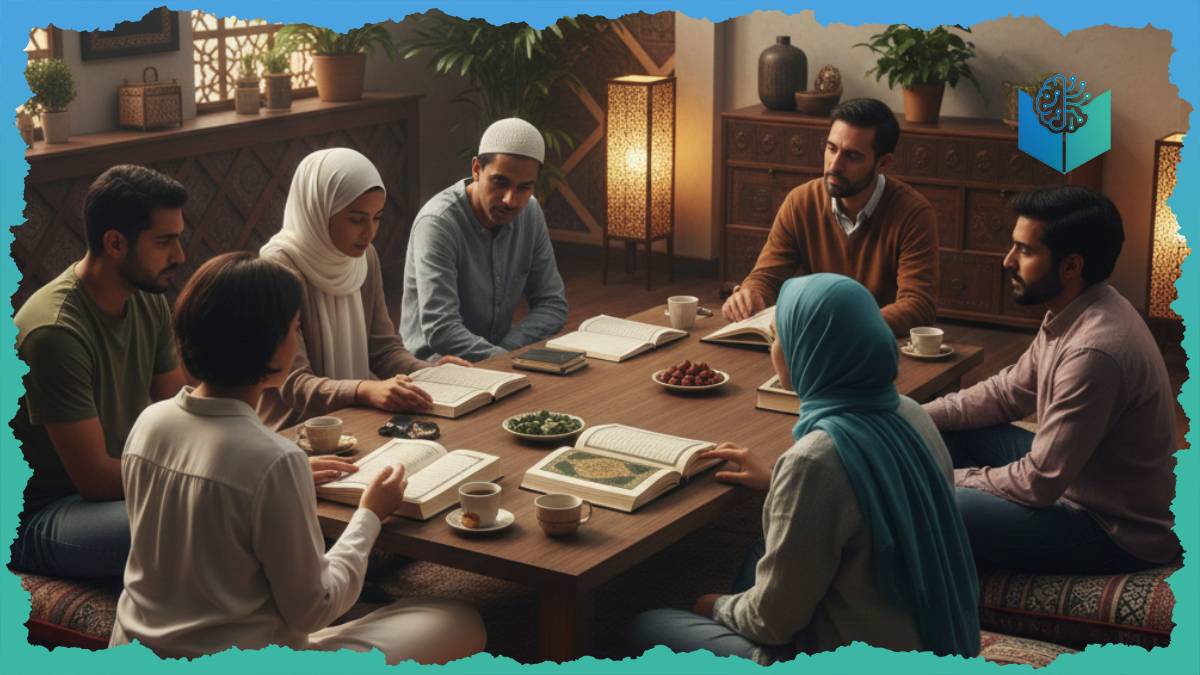
When Muslims pray together, learn together, and serve together, their hearts are united in purpose. This unity magnifies spiritual strength and nurtures genuine love for Allah.
Community as a Reflection of Divine Mercy
A compassionate community reflects divine mercy on earth. The Qur’an teaches believers to support one another with kindness, patience, and forgiveness. These qualities elevate the community and enrich each member’s spiritual journey.
Creating a Community-Centered Quranic Lifestyle
A healthy and supportive Islamic community helps individuals adopt a Quranic lifestyle rooted in compassion, introspection, and worship.
Encouraging Collective Reflection
Regular gatherings for Qur’an recitation and discussion allow members to deepen their understanding and apply its teachings in daily life.
Supporting Sunnah-Based Habits
When believers encourage one another to maintain good character, perform voluntary prayers, and seek knowledge, everyone benefits.
Building Purposeful Daily Habits
Simple communal habits, greeting one another with peace, sharing meals, supporting the needy, strengthen faith and align the heart with Qur’anic guidance.
Strengthening Faith Through Collective Action
Individual faith grows stronger when supported by sincere relationships, uplifting environments, and collaborative worship. Through community-driven initiatives, educational programs, charity, youth development, and worship gatherings, Muslims find meaning, purpose, and renewed connection to Allah.
The Prophet taught that believers are like a structure supporting itself. When each brick is firm, the entire building stands tall; when one weakens, others reinforce it.
This is the power of a strong Muslim community.
Conclusion: The Community as a Source of Faith and Stability
A thriving Muslim community transforms individual lives. It uplifts hearts, strengthens identity, provides emotional healing, and preserves faith across generations. Through shared worship, mutual care, ethical behavior, and compassion, believers develop a deeper, more resilient connection to Allah.
The legacy of the Prophet Muhammad teaches us that faith flourishes not alone but in community. May our efforts to build compassionate, spiritually rich communities bring closeness to Allah and unity to the Ummah.
For more spiritually grounded insights, visit ayaat.ai.
Q&A
Why is community important in Islam?
Community nurtures faith, provides emotional support, and helps believers practice Islamic values collectively.
What role does the mosque play in Muslim daily life?
The mosque fosters worship, education, charity, and social togetherness, strengthening individual and communal spirituality.
How can Muslims strengthen unity in the Ummah?
By showing compassion, supporting one another, promoting justice, and practicing shared worship rooted in Qur’anic teachings.