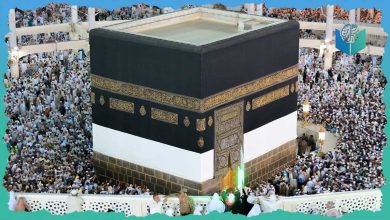
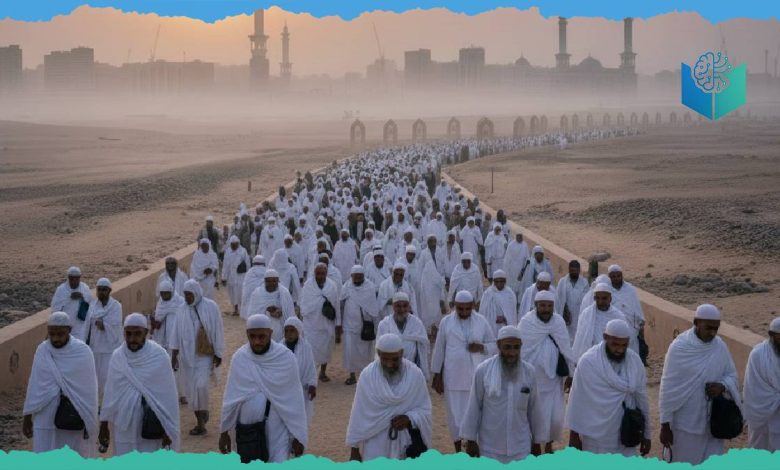
Performing Hajj is a sacred journey in Islam, representing submission to Allah and the renewal of spiritual devotion. Among the essential steps of this journey is understanding the Hajj Miqat, a critical boundary where pilgrims enter the state of Ihram. The concept of Miqat goes beyond geographical points; it is a spiritual marker, reminding believers that Hajj is both an external and internal pilgrimage. This article delves into the meaning of Miqat, the Miqat locations and Ihram, its spiritual significance, and the differences between Umrah and Hajj Miqat, offering a comprehensive guide for those preparing for this sacred journey.
Understanding Hajj Miqat
The term Hajj Miqat refers to specific points around Makkah designated by the Prophet ﷺ, where pilgrims intending to perform Hajj or Umrah must don Ihram and make their Miqat and Niyyah. Crossing these boundaries without entering the state of Ihram invalidates the pilgrimage, emphasizing the significance of preparation. The Quran reminds believers of the sacredness of entering Allah’s state with the correct intention:
“And Hajj to the House (Ka‘bah) is a duty that mankind owes to Allah, those who can find a way to it.” (Quran 3:97)
Here, the sacred duty is clear: preparation, intention, and obedience to Allah are prerequisites. The Hajj Miqat serves as a tangible moment of spiritual transition, separating worldly life from the sacred journey ahead.
Miqat Locations and Ihram
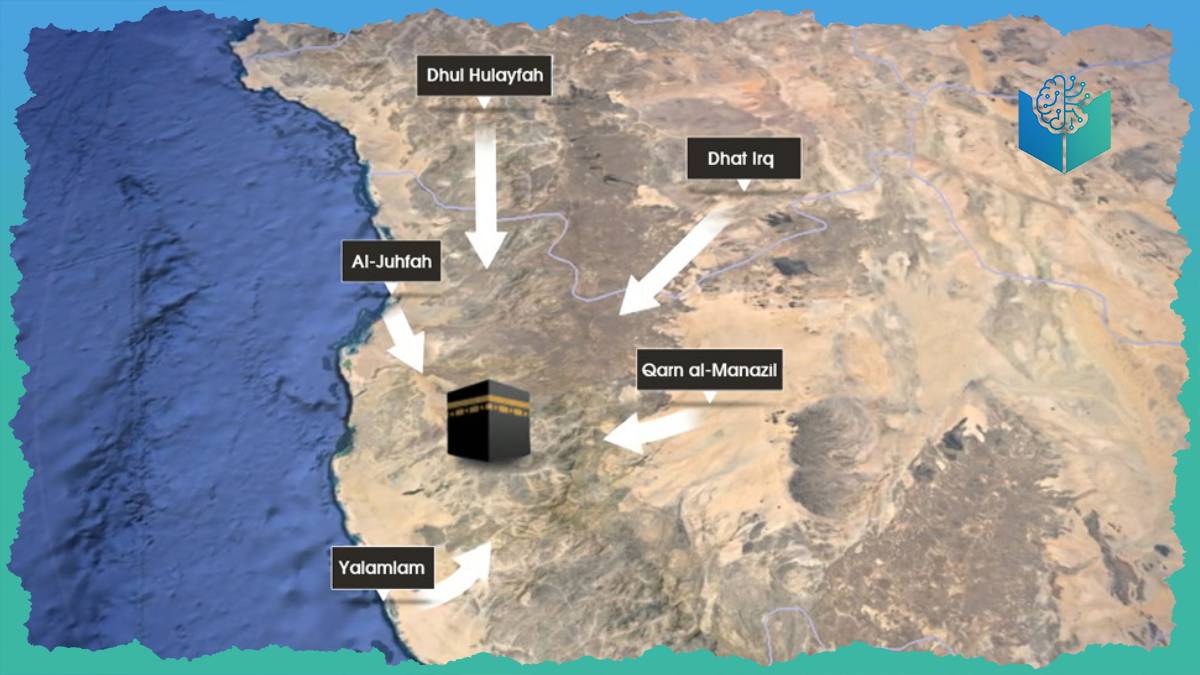
The geographical aspect of Miqat locations and Ihram is essential for every pilgrim. The Prophet ﷺ designated five key miqat points to ensure that all pilgrims, regardless of their direction of approach, enter Ihram appropriately. These points are:
- Dhul-Hulayfah: For pilgrims from Madinah or northern directions.
- Al-Juhfah: For those approaching from the northwest.
- Qarn al-Manazil (As-Sayl al-Kabir): For travelers from Najd and eastern regions.
- Yalamlam: For pilgrims coming from Yemen and southern areas.
- Dhat Irq: For pilgrims arriving from the northeast, including Iraq and Iran.
Each Miqat location is not just a physical marker but a spiritual threshold. Upon reaching these points, pilgrims must wear the Ihram garments, make the niyyah (intention), and verbally declare their commitment to the rites of Hajj. This act symbolizes humility, equality, and submission to Allah, echoing the Quranic call for sincerity in worship:
“So when you have finished your sacred rites, remember Allah as you remember your forefathers, with complete reverence and awe.” (Quran 2:200)
Pilgrims are reminded that these points are a spiritual checkpoint where the worldly is left behind, and a sacred journey begins.
The Spiritual Preparation for Hajj
Before reaching the Hajj Miqat, spiritual readiness is paramount. Spiritual preparation for Hajj involves purifying intentions, seeking forgiveness, and mentally detaching from worldly distractions. This preparation aligns with the Quranic principle of sincere worship:
“Indeed, Allah does not change the condition of a people until they change what is within themselves.” (Quran 13:11)
Pilgrims are encouraged to reflect on their actions, mend broken ties, and enter Ihram with a heart full of devotion. The Hajj Miqat becomes the visible manifestation of this internal readiness, marking a shift from ordinary life to a spiritually heightened state.
Miqat and Niyyah
One of the most significant aspects of Miqat is making the niyyah, the explicit intention for Hajj. The Prophet ﷺ emphasized that the outward acts of pilgrimage are incomplete without the correct intention. At the miqat, pilgrims recite phrases expressing their commitment:
“O Allah, I intend to perform Hajj (or Umrah), and I enter into Ihram for Your sake.”
This declaration is more than ritual; it represents a spiritual contract between the pilgrim and Allah. The Quran underscores this principle:
“And establish prayer and give zakah and obey the Messenger that you may receive mercy.” (Quran 24:56)
By declaring Miqat and Niyyah, pilgrims affirm their readiness to obey Allah fully, leaving behind distractions and preparing to embrace the spiritual trials of Hajj.
Differences in Umrah and Hajj Miqat
While both Hajj and Umrah require entering Ihram at designated miqat points, there are subtle differences. Umrah Miqat allows pilgrims flexibility if performed outside the Hajj season, whereas Hajj Miqat is stricter due to the obligatory nature of Hajj in the specified months.
- Timing: Hajj has a fixed annual period, making adherence to Miqat locations and Ihram essential.
- Intention: The niyyah for Hajj includes full pilgrimage rites, while Umrah focuses on fewer rituals.
- Sacredness: Hajj carries broader spiritual significance as it fulfills a Quranic obligation:
“And Hajj to the House (Ka‘bah) is a duty that mankind owes to Allah, those who can find a way to it.” (Quran 3:97)
These differences underscore the need for pilgrims to understand their intended pilgrimage, ensuring correct observance of the Miqat boundaries.
The Role of Miqat in Personal Spiritual Transformation
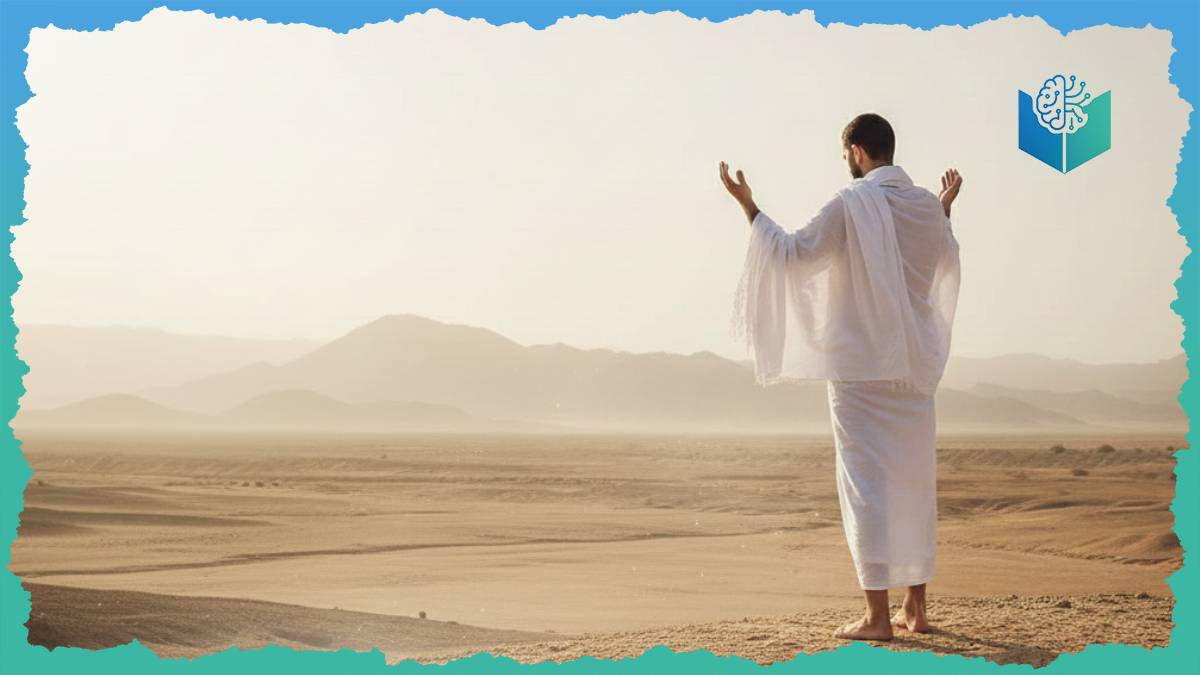
Crossing the Hajj Miqat is more than a ritual act; it represents a moment of personal transformation. Pilgrims leave behind attachments, sins, and worldly distractions, entering a state of Ihram marked by simplicity and humility. The Quran reinforces this transformative aspect:
“O you who have believed, enter into submission completely and do not follow the footsteps of Satan.” (Quran 2:208)
By adhering to the Hajj Miqat, pilgrims commit to focusing solely on Allah, surrendering their ego, and seeking spiritual elevation. The spiritual preparation for Hajj achieved at this boundary is a foundation for the entire pilgrimage experience.
Miqat Locations and Their Historical Significance
Each miqat carries historical and spiritual significance. For example, Dhul-Hulayfah is associated with the Prophet ﷺ and early Muslim pilgrims from Madinah. Similarly, Al-Juhfah was used by pilgrims traveling from the northwestern regions of Arabia. These locations serve as reminders that Hajj is a continuation of centuries of faithful devotion, linking modern pilgrims to the legacy of Islam.
Ihram, The Physical and Spiritual Garment
Entering Ihram at the Hajj Miqat involves wearing simple, unstitched garments for men and modest attire for women. This uniformity symbolizes equality before Allah and the renunciation of worldly vanity. The Quran highlights the essence of purity and humility:
“Indeed, the most noble of you in the sight of Allah is the most righteous of you.” (Quran 49:13)
By donning the Ihram, pilgrims externalize their internal state of devotion, making the Miqat a point where intention and action converge, reinforcing the spiritual preparation for Hajj.
Spiritual Significance of Miqat and Niyyah
Making Miqat and Niyyah allows pilgrims to enter Hajj with conscious devotion. The Quran reminds believers that acts performed with sincerity are rewarded:
“And they were not commanded except to worship Allah, [being] sincere to Him in religion.” (Quran 98:5)
At the miqat, every prayer, supplication, and action becomes an offering to Allah. This intentionality transforms the pilgrimage from a physical journey into a spiritually immersive experience, preparing the soul for the profound rituals of Hajj.
Practical Considerations at Miqat Locations
Pilgrims approaching miqat points must consider practical matters: travel routes, timing, and physical readiness. Those arriving by plane or sea should assume Ihram before crossing the miqat boundary. Pilgrims must also be aware of their intention: whether performing Hajj or Umrah, proper Miqat and Niyyah ensure compliance with Islamic law.
The Prophet ﷺ said: “Do not approach the sacred boundary without Ihram for Hajj or Umrah.” This guidance emphasizes the importance of preparation and obedience, reinforcing the Hajj Miqat as both a physical and spiritual threshold.
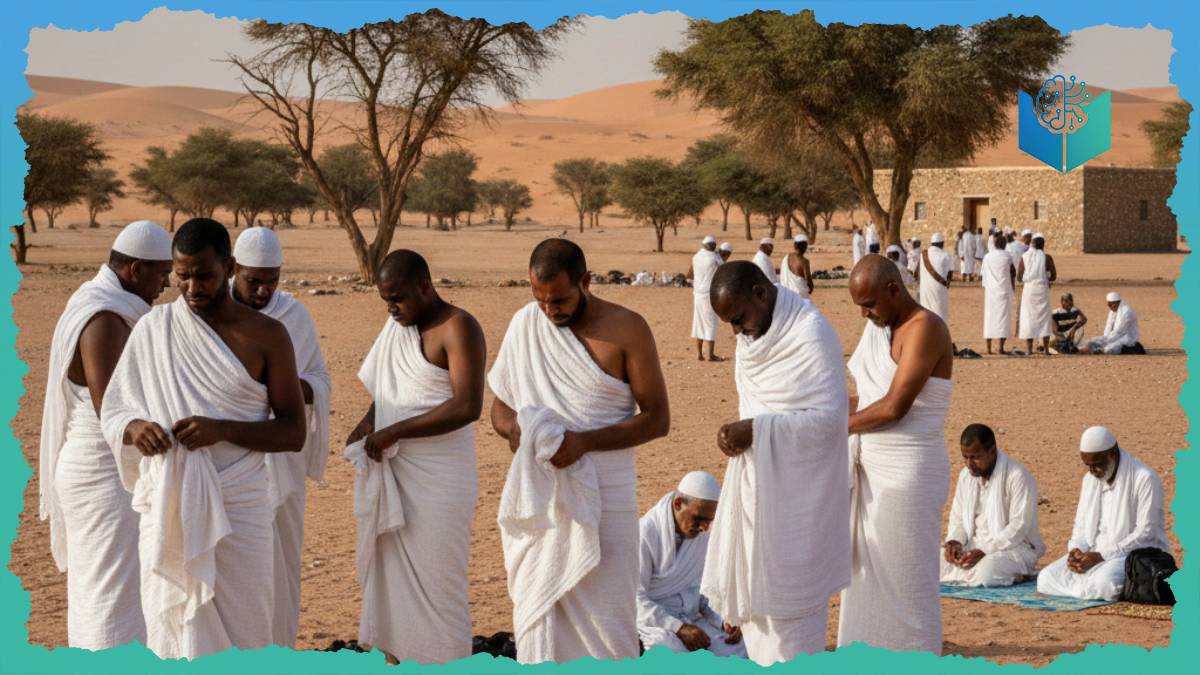
Miqat, A Spiritual Checkpoint
The miqat points are not just logistical markers; they are moments of reflection and renewal. Pilgrims pause to reaffirm intentions, cleanse their hearts, and commit to Allah’s commandments. This pause aligns with the Quranic principle of mindfulness and devotion:
“Remember Allah much that you may be successful.” (Quran 62:10)
By honoring the Miqat locations and Ihram, pilgrims symbolically leave behind distractions and step fully into the sacred journey, achieving the highest form of spiritual preparation for Hajj.
Embracing the Miqat Experience
The Hajj Miqat is a unique blend of geographical, ritual, and spiritual significance in Islam. Pilgrims entering Ihram at designated miqat points affirm their intentions, declare their Miqat and Niyyah, and prepare for a transformative spiritual journey. Understanding the differences in Umrah and Hajj Miqat ensures that every pilgrim observes the rites correctly and fully benefits from the spiritual elevation offered by this sacred boundary.
The miqat serves as a constant reminder that Hajj is more than a journey; it is a deliberate, conscious act of submission, devotion, and purification. By approaching the miqat with sincerity and awareness, pilgrims embody the Quranic teaching:
“And complete the Hajj and ‘Umrah for Allah.” (Quran 2:196)
Embracing this boundary fully enriches the pilgrimage experience, transforming it into a journey of the heart as much as a journey of the body. For those seeking deeper reflection and guidance while learning the sacred rites of Hajj, ayaat.ai provides resources for understanding Quranic principles, including the significance of Hajj Miqat.
FAQ
What is the Hajj Miqat?
The Hajj Miqat is the designated boundary where pilgrims must enter Ihram and declare their Miqat and Niyyah for Hajj. It marks the start of the sacred journey.
What are the main Miqat locations for Hajj?
There are five miqat points: Dhul-Hulayfah, Al-Juhfah, Qarn al-Manazil, Yalamlam, and Dhat Irq, each serving pilgrims from different regions.
How does Umrah Miqat differ from Hajj Miqat?
Umrah Miqat is flexible for timing outside Hajj season, while Hajj Miqat is obligatory during Hajj months with full rituals and stricter adherence.
🔗 General explanation of Miqat and its role as the boundary where pilgrims must assume Ihram before Hajj or Umrah.
🔗 “What Are the Places Appointed for Entering Ihram?”. Details the five primary Miqat points defined by the Prophet ﷺ and later adjustments, explaining how each corresponds to pilgrims from different regions, and the concept of boundaries for Ihram.
🔗 List of the five Miqat points with geographical orientation relative to Makkah.
🔗 Confirmation of the five appointed Miqat points as narrated in Hadith and applied by pilgrims, including the later addition of Dhat Irq by Umar (RA).
🔗 Another summary of Miqat locations and their purposes consistent with Islamic practice.
🔗 Practical note on Miqat boundaries confirming the Islamic rule that Ihram must be assumed at the designated Miqat rather than later.
🔗 Miqat Dhu al‑Hulayfah — an example of an established Miqat with its mosque location where many pilgrims put on ihram.