
Among the many extraordinary signs granted to the final messenger of God, the Moon Splitting Miracle stands as one of the most striking and thought-provoking events in Islamic history. This miracle is not merely a historical claim or a moment frozen in time; it is a sign deeply rooted in faith, reflection, and moral responsibility. For believers, it represents divine power made visible, and for seekers, it opens a door to understanding deeper truths about Islam and its message.
The splitting of the moon is described in the Quran as a clear sign shown to a community that demanded proof. Yet, the miracle goes beyond spectacle. It carries lessons about belief, humility, and the human response to truth when it appears unmistakably before the eyes.
Understanding the Moon Splitting Miracle in Islamic Belief
The Moon Splitting Miracle refers to an extraordinary event witnessed during the lifetime of Prophet Muhammad, where the moon was seen split into two distinct parts before reuniting. This event was not performed for entertainment or persuasion alone; it occurred in response to a direct challenge from those who demanded a physical sign of prophethood.
The Quran records this moment with clarity and brevity, emphasizing its seriousness rather than dramatizing it. The miracle stands as a reminder that divine signs are meaningful only to hearts willing to recognize them. Those who witnessed it were given a choice: to accept the truth or to turn away despite seeing it.
This event reinforces a core principle about Islam that faith is not blind, yet it is not forced. Signs are given, but belief remains a moral and spiritual decision.
Quranic Reference to the Lunar Miracle
The Quran directly refers to this event in a concise but powerful verse:
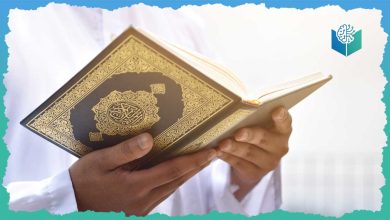
“The Hour has drawn near, and the moon was split.” (Quran 54:1)
This verse places the miracle within a broader spiritual context. It connects the splitting of the moon not only to prophethood but also to accountability and the approaching reality of judgment. The miracle is thus framed as both a sign and a warning.
What follows in the same chapter emphasizes a recurring human response:
“Yet whenever they see a sign, they turn away and say, ‘Same old magic.’” (Quran 54:2)
Here, the Quran highlights a timeless truth: witnessing a miracle does not guarantee belief. The Moon Splitting Miracle becomes a mirror reflecting the state of the human heart.
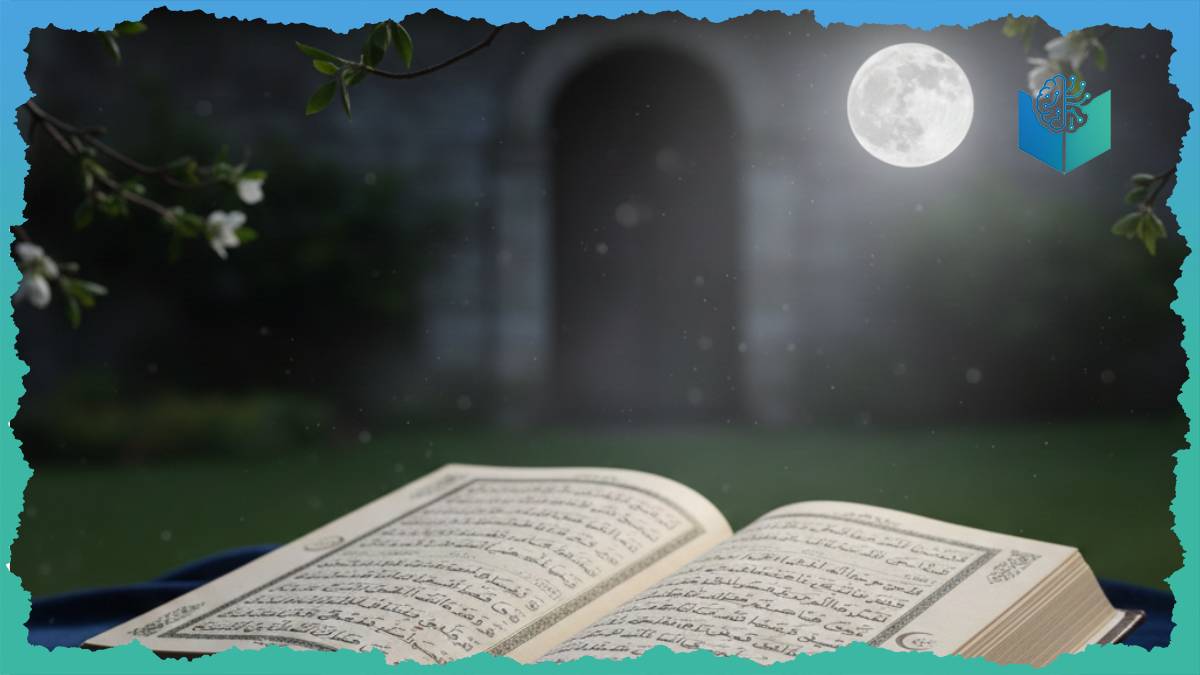
Historical Account of Shaqq al-Qamar and Eyewitness Context
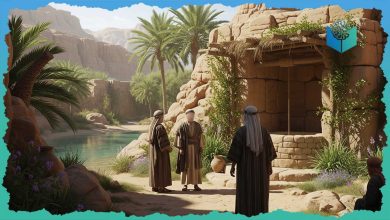
The Historical account of Shaqq al-Qamar describes how this miracle occurred publicly, observed by multiple people in Mecca. The event was not hidden, symbolic, or dream-based. It was experienced in a social setting where opponents and supporters of Prophet Muhammad alike were present.
Despite witnessing something unprecedented, many opponents chose denial, attributing the event to illusion rather than confronting its implications. This reaction aligns with a pattern repeatedly described in the Quran: rejection not due to lack of evidence, but due to arrogance or fear of change.
The Historical account of Shaqq al-Qamar underscores a crucial lesson about Islam that truth can be clear, yet still resisted when it challenges personal interests or inherited beliefs.
Prophet Muhammad’s Proofs Beyond the Lunar Miracle
While the moon splitting is among the most dramatic signs, it is one part of a broader collection of the Prophet Muhammad’s proofs. His life, character, message, and consistency form a cumulative argument that strengthens faith over time.
The Quran points to this holistic evidence:
“Say, ‘I am only a human like you, to whom it has been revealed that your God is One God.’” (Quran 18:110)
This verse reminds believers that miracles were not the foundation of the message but confirmations of truth. The real miracle lies in the Quran itself, its guidance, and the transformation it brings to individuals and societies.
The Moon Splitting Miracle complements these proofs, serving as a visible sign that aligns with an already coherent and ethical message.
Scientific Views on Islamic Miracles and Their Limits
Discussions around Scientific views on Islamic miracles often arise when modern audiences seek empirical explanations for extraordinary events. However, Islamic theology maintains a clear distinction between natural laws and divine intervention.
Miracles, by definition, operate beyond predictable patterns. They are not meant to be replicated in laboratories or confined within scientific models. Instead, they point to the existence of a higher authority that controls the universe and its laws.
The Quran reinforces this perspective:
“Indeed, Allah is over all things competent.” (Quran 2:20)
From this viewpoint, Scientific views on Islamic miracles can inspire reflection but are not the ultimate measure of truth. The miracle’s purpose is spiritual awakening, not scientific validation.

Why Physical Signs Were Demanded by Disbelievers
Throughout prophetic history, communities often demanded tangible signs before accepting guidance. The people of Mecca were no different. They asked Prophet Muhammad to show a miracle, believing that seeing would compel belief.
The Quran records this mindset:
“They say, ‘Why has a sign not been sent down to him from his Lord?’” (Quran 6:37)
The response from God emphasizes that signs are plentiful, but insight is rare. The Moon Splitting Miracle fulfilled their demand, yet many still rejected the message. This demonstrates that the core issue was not a lack of evidence but an unwillingness to submit.
This pattern teaches an essential truth about Islam: guidance requires humility, not just observation.
Lessons from Lunar Miracle for Modern Believers
The Lessons from lunar miracle extend far beyond its historical moment. For modern believers, it invites reflection on how we respond to truth in our own lives.
Do we accept guidance when it challenges our habits? Do we recognize signs of God in everyday life, or do we dismiss them because they disrupt comfort?
The Quran repeatedly calls believers to reflection:
“Indeed, in that are signs for a people who reflect.” (Quran 30:21)
One of the key Lessons from lunar miracle is that seeing is not the same as believing. True belief requires sincerity, openness, and a willingness to change.
The Role of Faith After Witnessing a Miracle
A miracle removes excuses, but it does not remove free will. After the moon split, individuals were morally accountable for their response. This principle applies universally.
Faith in about Islam is not built on spectacle alone. It is nurtured through understanding, patience, and ethical living. The miracle served as a doorway, not the destination.
This balance preserves the integrity of belief, ensuring that faith remains meaningful rather than coerced.
Moon Splitting Miracle and Accountability
The Quran links the Moon Splitting Miracle with the nearness of the Hour, reminding humanity that signs are also reminders of accountability.
“And everything they did is in written records.” (Quran 54:52)
This connection emphasizes responsibility. Witnessing a sign increases accountability rather than granting privilege. It calls individuals to align actions with truth.
This reinforces a central message about Islam that knowledge and awareness come with moral responsibility.
Responding to Skepticism with Wisdom
Skepticism toward miracles is not new. The Quran itself acknowledges doubt and denial as recurring human behaviors. Rather than responding with hostility, Islam encourages wisdom and patience.
“Invite to the way of your Lord with wisdom and good instruction.” (Quran 16:125)
The story of the moon splitting teaches believers to present truth calmly, recognizing that guidance ultimately comes from God. The miracle’s role is to support the message, not replace dialogue.

The Moon Splitting Miracle as a Sign, Not a Performance
One of the most profound aspects of this event is its simplicity in the Quranic narrative. There is no embellishment, no dramatic expansion. This restraint reinforces authenticity.
The miracle occurred, was witnessed, and was recorded then life continued. This approach keeps focus on meaning rather than spectacle.
The Moon Splitting Miracle thus serves as a sign pointing beyond itself, directing hearts toward reflection and ethical transformation.
Prophet Muhammad and Consistency of Message
The credibility of Prophet Muhammad’s proofs lies in consistency. His message before and after the miracle remained unchanged: worship one God, uphold justice, and prepare for accountability.
The Quran affirms this steadiness:
“So remain on the right course as you have been commanded.” (Quran 11:112)
This consistency strengthens the miracle’s significance. It was not used to gain power or status, but to affirm a message already grounded in truth.
Lessons from Lunar Miracle for Personal Reflection
On a personal level, the Lessons from lunar miracle invite believers to examine their own responses to guidance. Do we require dramatic signs to act rightly, or are subtle reminders enough?
Daily life offers countless signs moral choices, moments of conscience, opportunities for growth. Recognizing these signs is part of living faith.
The lunar miracle teaches that clarity does not guarantee acceptance; sincerity does.
The Miracle and Unity of the Message
The event of the moon splitting aligns with the broader Quranic narrative of signs given to prophets throughout history. Each sign confirmed the same core message: worship God alone and live righteously.
“And We certainly sent into every nation a messenger.” (Quran 16:36)
The Moon Splitting Miracle fits seamlessly into this pattern, reinforcing unity across prophetic missions and strengthening understanding about Islam as a continuation of divine guidance.
Reflecting on Divine Power Through the Moon
The moon itself is frequently mentioned in the Quran as a sign of God’s design and order.
“And the moon We have determined for it phases.” (Quran 36:39)
That the moon becomes the subject of a miracle further emphasizes divine control over creation. It invites believers to see the universe not as random, but as purposeful and responsive to divine will.
Meaning Beyond the Miracle
The Moon Splitting Miracle is more than a historical event; it is a lesson in faith, humility, and accountability. It demonstrates that even the most extraordinary signs require receptive hearts to inspire belief.
Through the Historical account of Shaqq al-Qamar, the discussion of Scientific views on Islamic miracles, and the reflection on Lessons from lunar miracle, one truth becomes clear: guidance is offered, but acceptance is a choice.
The miracle supports the message of Prophet Muhammad, reinforces core teachings about Islam, and invites every generation to reflect on how they respond to truth when it becomes evident.
For deeper engagement with Quranic signs, meanings, and reflections, thoughtful exploration tools like ayaat.ai can support a more mindful connection with divine guidance.
FAQ
Did the moon really split according to Islam?
Yes, the Quran explicitly mentions the event as a real sign shown during the life of the Prophet Muhammad.
What is the significance of the Moon Splitting Miracle?
It served as a clear divine sign confirming prophethood and reminding people of accountability.
What lessons does the lunar miracle teach today?
It teaches that seeing signs does not guarantee belief; sincerity and humility are essential for guidance.
Encyclopaedia of Islam – “Shaqq al-Qamar”
Oxford Islamic Studies Online – Miracles of the Prophet
Islamic Awareness – Moon Splitting Documentation