

Ramadan is a month where daily routines transform into acts of worship, and ordinary moments carry extraordinary meaning. One of the most cherished practices during this blessed time is Iftar, the moment when fasting families gather to break their fast together. Family Iftar Hosting is more than organizing a meal; it is a spiritual experience that nurtures faith, strengthens family bonds, and fills homes with tranquility and gratitude. When planned thoughtfully, Iftar becomes a space where worship, love, and remembrance meet.
The Quran highlights that acts done with sincere intention elevate even the simplest actions. Hosting Iftar, when rooted in mindfulness and moderation, reflects the true spirit of Ramadan and allows families to experience its blessings collectively.
The Spiritual Meaning Behind Family Iftar Hosting
At its core, Family Iftar Hosting is an act of worship expressed through togetherness. Fasting disciplines the body, while Iftar restores it gently, reminding believers that sustenance comes solely from Allah. When families wait together for Maghrib, hearts soften, patience deepens, and gratitude becomes shared.
Allah emphasizes unity and remembrance in daily life:
“And remember Allah much, that you may be successful.” (Quran 62:10)
This daily gathering becomes a moment of reflection, where distractions pause and attention returns to what truly matters. Over time, consistent family Iftars nurture emotional security, spiritual awareness, and stronger relationships. These moments often become the most memorable part of Ramadan, especially for children.
Planning with Intention Instead of Pressure
Hosting does not require perfection. The essence of Family Iftar Hosting lies in sincerity, not extravagance. Many families feel pressure to prepare elaborate meals, yet the Quran consistently guides believers toward balance and ease.
“Allah intends for you ease and does not intend for you hardship.” (Quran 2:185)
Thoughtful planning includes realistic menus, shared responsibilities, and flexible expectations. When stress is minimized, the spiritual value of Iftar increases. Hosting should enhance worship, not distract from it.
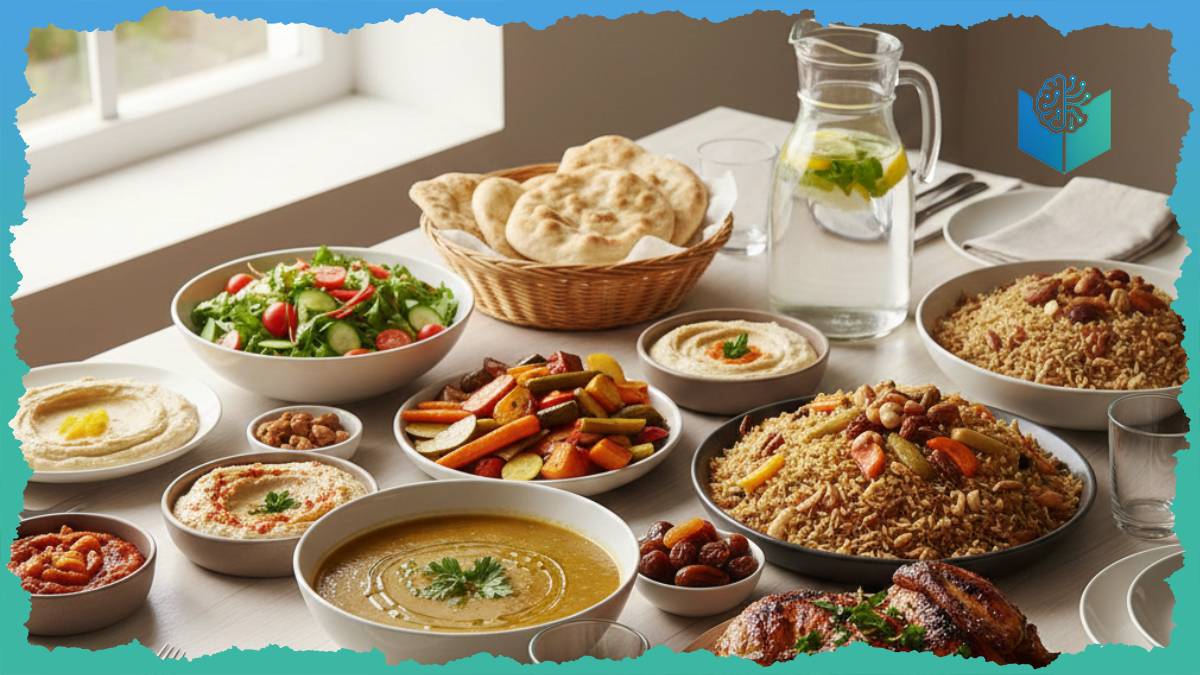
Creating a Healthy Traditional Iftar Menu
A Healthy traditional Iftar menu respects both the body and the soul after long hours of fasting. Breaking the fast gently allows energy to return without overwhelming digestion. Dates and water remain the ideal starting point, followed by light soups or salads that prepare the stomach.
Allah reminds believers to value wholesome provision:
“O you who believe, eat from the good things We have provided for you and be grateful to Allah.” (Quran 2:172)
Balanced meals including vegetables, lean proteins, and whole grains help sustain energy for evening prayers. A Healthy traditional Iftar menu avoids excess oils and sugars, allowing families to remain focused and spiritually present throughout the night.
Teaching Moderation Through Food Choices
Ramadan is a month of self-discipline, and food is a powerful teacher. A Healthy traditional Iftar menu demonstrates moderation, reminding families that fullness is not the goal of Iftar. Instead, nourishment supports worship.
The Quran cautions against excess:
“Eat and drink, but do not be excessive. Indeed, He does not like those who commit excess.” (Quran 7:31)
When children see moderation practiced daily, they internalize healthy habits and spiritual restraint. These lessons extend beyond Ramadan into everyday life.
Simple Iftar Decoration That Elevates the Atmosphere
Beauty does not require complexity. Simple Iftar decoration creates a peaceful environment that enhances gratitude without distraction. Clean table settings, soft lighting, and thoughtful placement of dates or water can transform an ordinary space into a welcoming one.
Allah values inner righteousness over outward display:
“Indeed, the most noble of you in the sight of Allah is the most righteous of you.” (Quran 49:13)
Neutral colors, modest centerpieces, or handmade Ramadan elements reflect humility and warmth. Simple Iftar decoration encourages mindfulness, allowing conversation and remembrance to remain central.
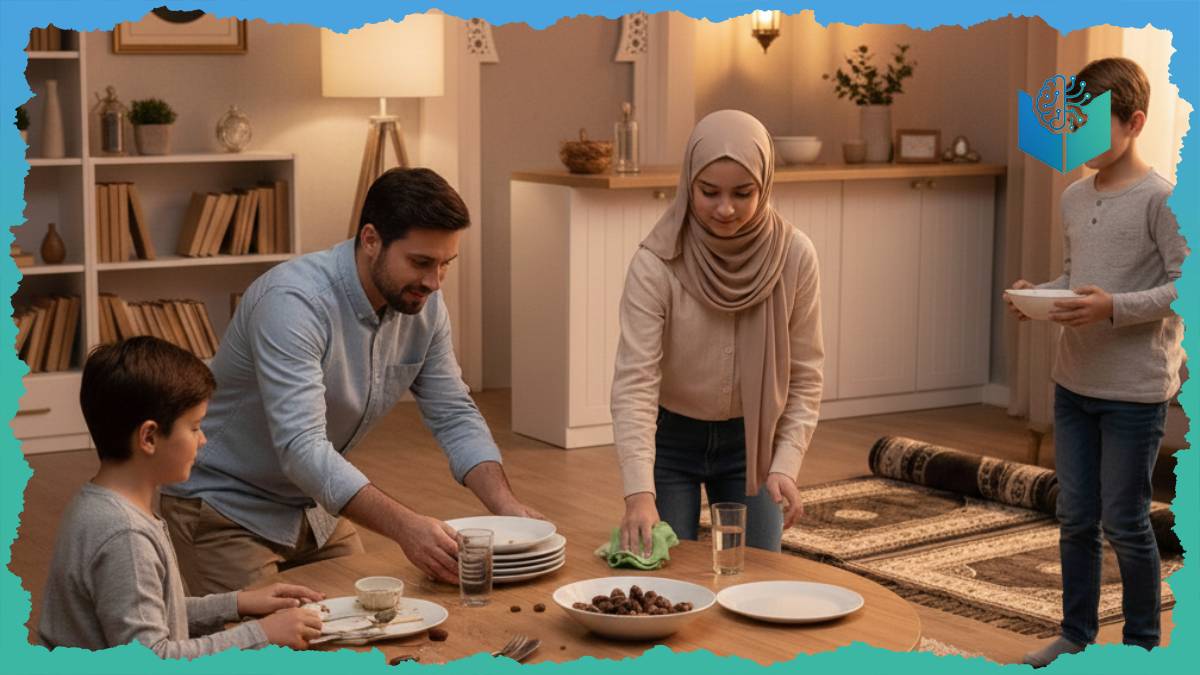
Involving Children in Iftar Preparation
Children thrive when included. Allowing them to help with Simple Iftar decoration or food preparation instills responsibility and love for Ramadan. These shared activities turn hosting into a family effort rather than a burden.
Allah instructs believers to nurture their households:
“O you who believe, protect yourselves and your families…” (Quran 66:6)
Through participation, children feel valued and connected. Over time, these memories become the foundation of their emotional attachment to Ramadan and family traditions.
Inviting Neighbors for Iftar as a Form of Worship
Inviting neighbors for Iftar expands the blessings of Ramadan beyond the home. Sharing food strengthens community ties, softens hearts, and reflects generosity rooted in faith.
The Quran praises selfless hospitality:
“And they give food, despite love for it, to the needy, the orphan, and the captive.” (Quran 76:8)
Even a simple meal offered sincerely carries immense reward. Inviting neighbors for Iftar does not require large gatherings; a small, thoughtful invitation can leave a lasting impression and foster mutual respect.
Creating a Welcoming Experience for Guests
When inviting neighbors for Iftar, comfort and kindness matter more than presentation. Clear communication, gentle hospitality, and respect for differences create a welcoming environment.
Allah encourages gracious interaction:
“And speak to people good words.” (Quran 2:83)
A calm atmosphere allows genuine connection. Through consistency and sincerity, families embody the spirit of Ramadan through action rather than words.
Virtual Iftar in Quarantine and Distance
Circumstances may separate families, but connection remains possible. Virtual Iftar in quarantine became a meaningful solution during times of isolation and continues to benefit families living far apart.
Allah reminds believers of spiritual unity:
“Indeed, the believers are brothers.” (Quran 49:10)
Through video calls, families can recite duas together, share reflections, and break the fast simultaneously. Virtual Iftar in quarantine preserves togetherness when physical presence is not possible.
Making Virtual Iftar Spiritually Meaningful
Intentionality transforms technology into a blessing. Coordinating prayer times, sharing reminders, and maintaining focus ensure Virtual Iftar in quarantine remains spiritually enriching rather than distracting.
The Quran highlights purposeful action:
“So when you have finished your duties, then stand up for worship.” (Quran 94:7)
When used mindfully, virtual gatherings strengthen emotional bonds and maintain Ramadan traditions across distances.
Balancing Hosting and Worship
While hospitality is virtuous, worship remains central. Family Iftar Hosting should support prayer, not replace it. Preparing meals earlier in the day allows families to remain present at Maghrib and transition smoothly into worship.
Allah calls believers to conscious devotion:
“And establish prayer for My remembrance.” (Quran 20:14)
Simple planning ensures hosting enhances spiritual focus rather than competing with it.

Emotional Barakah in a Consistent Family Iftar
Consistency matters. Daily Family Iftar Hosting, even when simple, creates emotional stability and spiritual rhythm. Over time, these routines anchor families in remembrance and gratitude.
Allah reassures believers:
“Verily, in the remembrance of Allah do hearts find rest.” (Quran 13:28)
Children and adults alike benefit from this predictable moment of connection, making Iftar a source of comfort and peace.
Extending Ramadan Values Beyond the Table
The lessons learned through a healthy traditional Iftar menu, Simple Iftar decoration, inviting neighbors for Iftar, and Virtual Iftar in quarantine extend beyond Ramadan. These practices nurture generosity, moderation, and empathy year-round.
Allah encourages believers to pursue goodness consistently:
“So race to all that is good.” (Quran 2:148)
When families internalize these values, Iftar becomes a training ground for lifelong character development.
Turning Iftar into a Lasting Legacy
Family Iftar Hosting is not measured by the number of dishes served, but by the sincerity behind them. Through mindful preparation, moderation, and inclusion, families transform Iftar into a daily act of worship and connection.
Whether through a Healthy traditional Iftar menu, warm gatherings, thoughtful simplicity, welcoming neighbors, or meaningful virtual connections, each effort reflects devotion and love. When approached with intention, Iftar becomes a legacy of faith passed from one generation to the next.
For deeper reflection on Quranic meanings related to family, worship, and Ramadan, learning resources such as ayaat.ai can support thoughtful engagement with the divine message.
FAQ
How can I host a meaningful family Iftar at home?
Focus on sincerity, shared prayer, simple food, and involving family members in preparation.
What makes an Iftar menu healthy and traditional?
Starting with dates and water, choosing balanced meals, and avoiding excess creates nourishment and energy for worship.
Can virtual Iftar still be spiritually beneficial?
Yes, when done intentionally, it maintains connection, shared dua, and a sense of unity across distance.
-
- Yaqeen Institute for Islamic Research – Ramadan spirituality and family worship
https://yaqeeninstitute.org - IslamQA (Educational Section) – Fasting, Iftar, and moderation (use carefully, very strict fiqh-based)
https://islamqa.info - SeekersGuidance – Balanced Islamic guidance on worship, family, and Ramadan practices
https://seekersguidance.org - Islamic Relief Worldwide – Ramadan & Community Values
https://www.islamic-relief.org - Muslim Matters – Articles on Ramadan culture, family Iftar, and community ethics
https://muslimmatters.org - Harvard Health – Mindful Eating & Moderation
https://www.health.harvard.edu
- Yaqeen Institute for Islamic Research – Ramadan spirituality and family worship